
Streamlined Design Process: Streamlining Your Interior Design Planning Process
- Lighthouse Design
- May 18
- 4 min read

Embarking on an interior design journey can be exhilarating yet overwhelming. Whether you are revamping your home or upgrading a commercial space, a streamlined design process is essential to ensure efficiency, creativity, and satisfaction. Over the years, I have refined my approach to interior design, focusing on clarity, structure, and practical steps that save time and reduce stress. In this post, I will share actionable insights to help you navigate your interior design project with confidence and precision.
Embracing a Streamlined Design Process for Success
A streamlined design process is not just about speed; it is about creating a clear roadmap that guides every decision and action. When you have a well-organized plan, you avoid costly mistakes, minimize delays, and maintain a consistent vision throughout the project. Here are some key strategies to adopt:
Define your goals clearly: Start by identifying what you want to achieve. Are you aiming for a cozy family space, a modern office, or a luxurious boutique? Knowing your objectives helps prioritize design elements.
Set a realistic budget: Establishing a budget early on prevents overspending and helps you make informed choices about materials, furnishings, and finishes.
Create a timeline: Break down the project into phases with deadlines. This keeps the momentum going and allows for timely adjustments.
Collaborate with professionals: Engage with architects, designers, and contractors who understand your vision and can provide expert advice.
Use technology: Leverage design software and apps to visualize layouts, colour schemes, and furniture placement before implementation.
By following these steps, you can transform a complex project into a manageable and enjoyable experience.
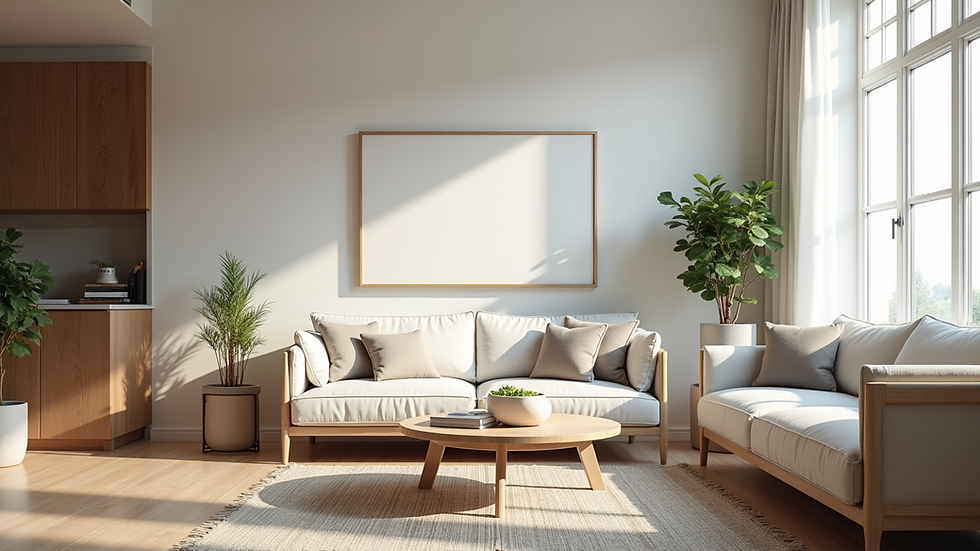
Key Elements of a Streamlined Design Process
To make your interior design planning process truly efficient, focus on these essential elements:
1. Comprehensive Needs Assessment
Begin by assessing the space and understanding its functional requirements. Ask yourself:
What activities will take place here?
How many people will use the space regularly?
Are there any special needs or preferences to consider?
This assessment forms the foundation for all design decisions.
2. Concept Development
Develop a clear concept that reflects your style and purpose. This includes:
Selecting a colour palette that complements the space and mood.
Choosing materials and textures that align with durability and aesthetics.
Defining the overall theme, whether it is contemporary, traditional, or eclectic.
3. Space Planning and Layout
Efficient space planning maximizes usability and flow. Use scaled drawings or digital tools to experiment with furniture arrangements and traffic patterns.
4. Detailed Documentation
Prepare detailed plans, including floor plans, elevations, and specifications. This documentation ensures everyone involved understands the project scope and expectations.
5. Procurement and Scheduling
Organize the purchase of materials and furnishings in advance. Coordinate delivery schedules to align with construction or renovation phases.
6. Execution and Supervision
Monitor the implementation closely to maintain quality and adherence to the plan. Regular site visits and communication with contractors are vital.
7. Final Review and Adjustments
Once the project nears completion, conduct a thorough review. Address any issues promptly and make necessary adjustments to achieve the desired outcome.
By integrating these elements, you create a streamlined design process that is both effective and adaptable.
What are the 7 basics of interior design?
Understanding the fundamentals of interior design is crucial for anyone looking to create harmonious and functional spaces. These seven basics serve as guiding principles:
Space
Space is the physical boundary that defines the room. It includes both positive space (occupied by objects) and negative space (empty areas). Balancing these ensures the room feels neither cluttered nor sparse.
Line
Lines create shapes and guide the eye. Vertical lines suggest height and strength, horizontal lines evoke calmness, and dynamic lines add energy.
Form
Form refers to the shape of objects, whether geometric or organic. Combining different forms adds interest and depth.
Light
Lighting affects mood and functionality. Natural light enhances openness, while artificial lighting can highlight features and create ambiance.
Colour
Colour influences emotions and perception. A well-chosen palette can unify a space and reflect personality.
Texture
Texture adds tactile and visual variety. Mixing smooth, rough, soft, and hard surfaces enriches the sensory experience.
Pattern
Patterns bring rhythm and movement. Use them thoughtfully to avoid overwhelming the space.
Mastering these basics empowers you to make informed design choices that elevate your environment.

Practical Tips to Simplify Your Interior Design Planning
To further streamline your project, consider these practical tips:
Start with a mood board: Collect images, fabric swatches, and colour samples to visualize your style.
Prioritize functionality: Ensure that aesthetics do not compromise usability.
Limit your colour palette: Stick to 2-3 main colours to maintain cohesion.
Choose versatile furniture: Opt for pieces that serve multiple purposes or adapt to changing needs.
Plan for storage: Incorporate smart storage solutions to keep spaces tidy.
Test paint colours: Paint small sections before committing to a full room.
Schedule buffer time: Allow extra time for unexpected delays or changes.
These recommendations help you stay organized and focused, reducing decision fatigue and enhancing satisfaction.
Enhancing Your Project with Local Expertise
Working with local professionals who understand the unique architectural styles and climate considerations of Indore and Madhya Pradesh can significantly improve your project outcome. They bring valuable insights into:
Material availability and suitability for the regional environment.
Cultural preferences and design trends popular in the area.
Efficient sourcing and logistics to keep your project on track.
Collaborating with a trusted design studio ensures your vision is realized with precision and care.
Moving Forward with Confidence and Clarity
A successful interior design project begins with a clear, streamlined design process. By defining your goals, understanding the basics, and applying practical strategies, you can transform any space into a beautiful, functional environment. Remember to embrace flexibility and maintain open communication with your team. This approach not only saves time and resources but also creates a rewarding design experience.
For those ready to take the next step, exploring a professional interior design planning process can provide tailored solutions that align with your aspirations and budget. With the right plan in place, your dream space is well within reach.


Comments